
What a DDoS attack actually is
DDoS stands for Distributed Denial of Service. The goal is simple and destructive: make your site unavailable to real users by burying it under a flood of fake requests. "Distributed" means the traffic comes from many machines at once — often thousands of compromised computers, servers or IoT devices spread around the world — which makes it hard to just block one source.
The effect is like thousands of fake customers jamming the doors of a shop so genuine buyers cannot get in. Your server spends all its capacity answering junk, real visitors see timeouts and errors, and every minute offline is lost trust and lost sales. Unlike a hack that steals data, a DDoS attack does not need to break in — it only needs to keep everyone else out.
The main types of attack
Volumetric attacks are the classic flood: enormous amounts of raw traffic aimed at saturating your bandwidth, measured in gigabits or terabits per second. Protocol attacks target the plumbing of the connection itself — for example half-open connections that tie up server resources — so they can knock a site over with less raw volume.
Application-layer attacks are the sneakiest: instead of brute force, they send requests that look almost real but are expensive to answer, like repeatedly hitting a search page or a login. These need far less traffic to cause damage because each request makes your application work hard. Defending well means handling all three, not just the loud volumetric kind.
Why the edge is the right place to stop it
If attack traffic reaches your single origin server, it is already too late — that one server has limited bandwidth and capacity, and it will fall over. The solution is to move the defensive line outward, to a large distributed edge network that sits in front of your site.
A CDN edge has far more combined capacity than any single origin, and it is spread across many locations, so a flood is diluted and absorbed close to where it originates instead of converging on your server. Junk traffic is filtered at the edge; only clean, legitimate requests are passed back to your origin. Because the same edge is already caching and serving your content, this protection comes as part of how the network works rather than a separate appliance you route traffic through.
DDoS protection vs a WAF
People often confuse the two, but they defend against different things. DDoS protection is about volume and availability — keeping your site reachable when someone tries to drown it in traffic. A Web Application Firewall (WAF) is about the content of requests — inspecting each one and blocking application attacks such as SQL injection, cross-site scripting or bots probing your login.
You need both. DDoS protection ensures visitors can reach your site; a WAF ensures that the requests which do reach it are not malicious. Together they cover "keep the doors open" and "check who comes through them". On an edge network the two run side by side in front of your origin.
Always-on protection on cdn.com.tr
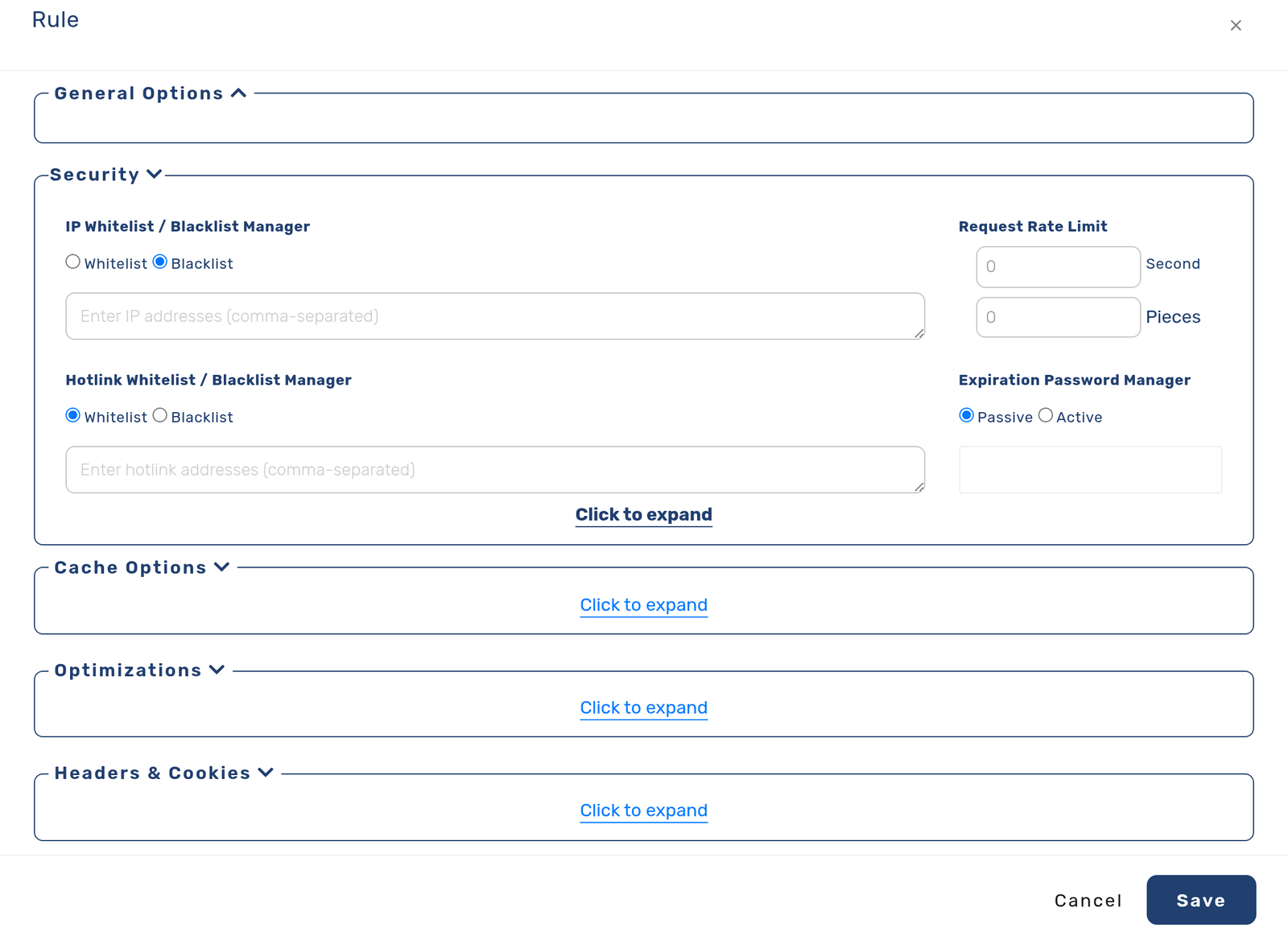
The worst time to start thinking about DDoS protection is during an attack. Good protection is always on and automatic, so surges are absorbed before you even notice — no scrambling to reconfigure anything while your site is down.
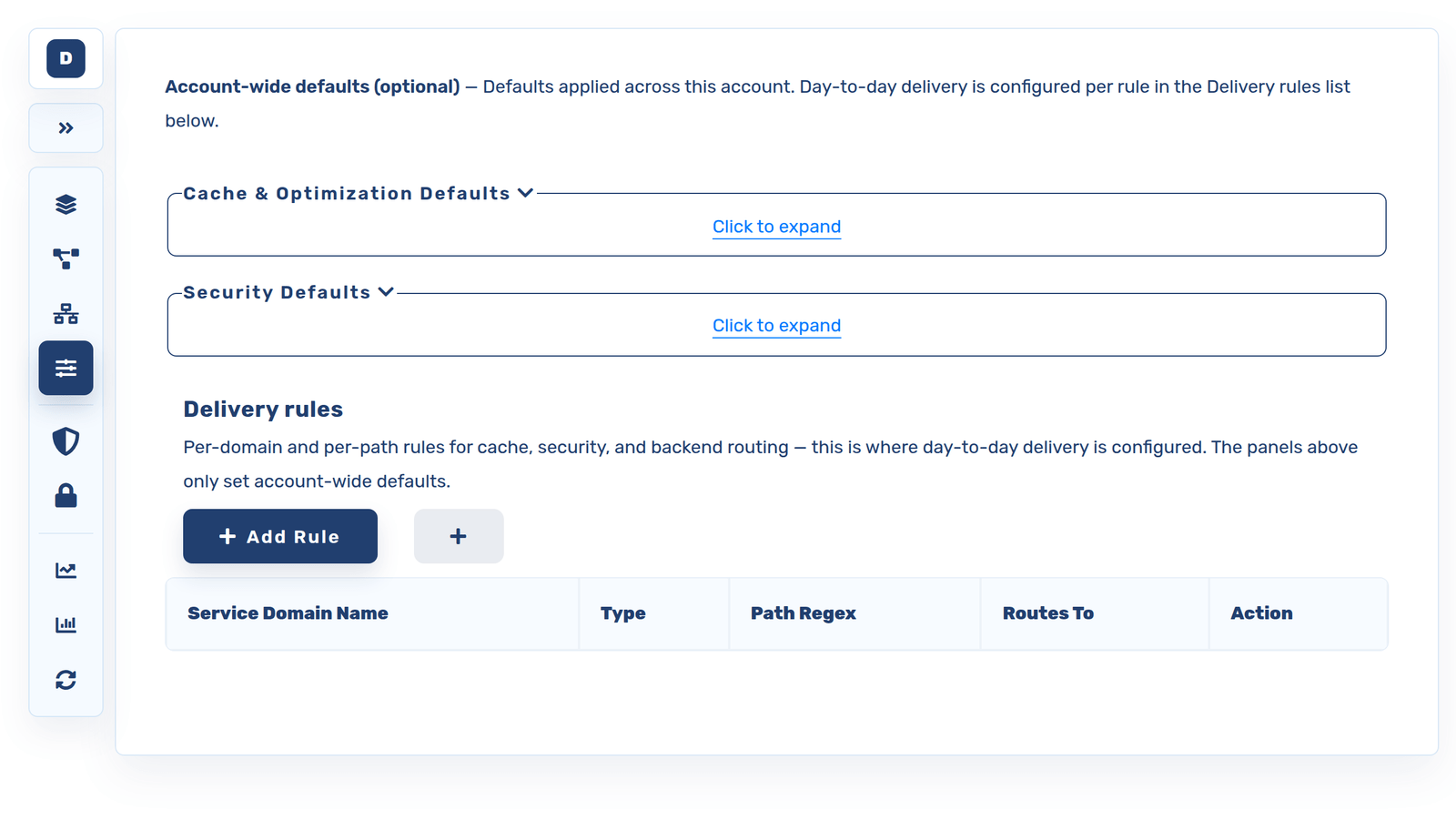
cdn.com.tr routes your traffic through its edge network, where volumetric and protocol floods are absorbed and filtered, and the WAF inspects application-layer requests, all in front of your origin. Because it is built into the CDN, you get this by putting your site behind cdn.com.tr — the same setup that makes your site faster also makes it far harder to take offline. Legitimate visitors keep getting fast responses while attack traffic is stopped at the edge.
Who needs DDoS protection most
Downtime during a sale is direct lost revenue, and stores are common extortion targets — availability is money.
Latency-sensitive services are attractive targets; edge absorption keeps them responsive under pressure.
A launch or a controversy can invite both real crowds and attacks; the edge handles both without your server buckling.
If being offline for an hour hurts, always-on edge protection is cheap insurance compared to the loss.
DDoS protection FAQ
How is DDoS protection different from antivirus or a firewall on my server?
A server firewall and antivirus protect that one machine, but an attack that saturates its bandwidth defeats them because the traffic still arrives. DDoS protection works upstream at the edge, absorbing and filtering the flood across a large network before it ever reaches your server, so your origin never sees the storm.
Will DDoS protection slow my site down for real visitors?
No — done at the edge it usually makes your site faster, because the same network caches and delivers your content close to visitors. Legitimate requests are served quickly while only junk traffic is filtered out.
Do small sites really get attacked?
Yes. Attacks are cheap to launch and often untargeted or automated, and small sites tend to have the least capacity to survive one. A small server can be taken down by a fraction of the traffic that a large edge network shrugs off.
Do I need to do anything during an attack on cdn.com.tr?
No. Protection is always on and automatic at the edge — volumetric and protocol floods are absorbed and the WAF filters malicious requests without you reconfiguring anything. Your site stays online while the attack is handled upstream.